Uncategorized

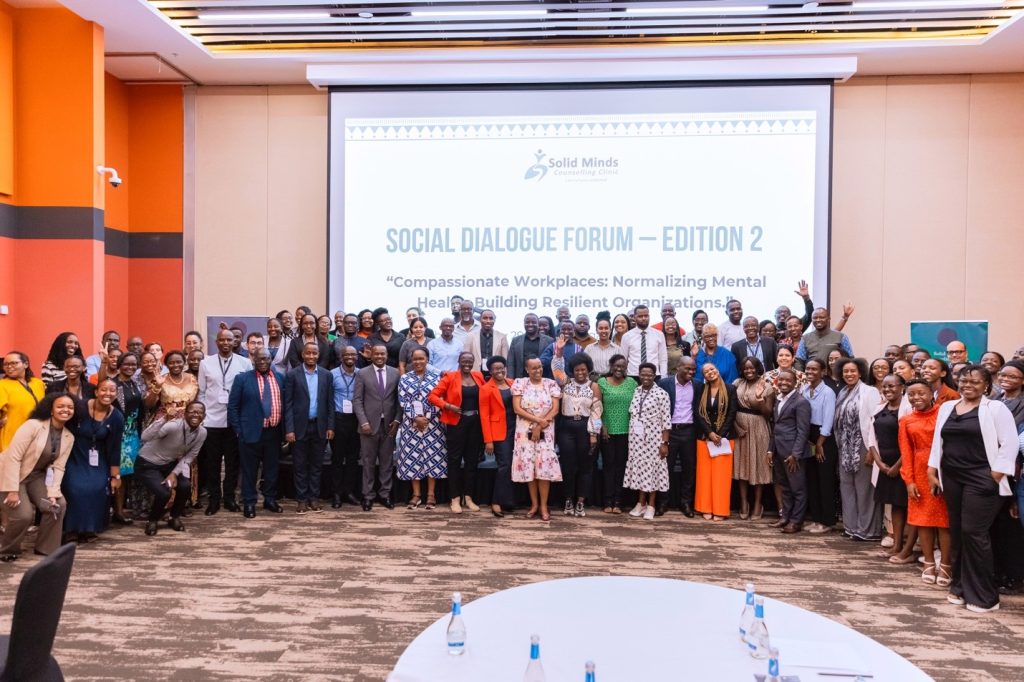
Opening remarks at the second edition of the Social Dialogue Forum under the theme: “Compassionate Workplaces: Normalizing Mental Health, Building Resilient Organizations.”

Opening remarks at the second edition of the Social Dialogue Forum under the theme: “Compassionate Workplaces: Normalizing Mental Health, Building Resilient Organizations.” Good morning, distinguished guests, colleagues, and dear friends, It truly means a lot to see all of you here this morning to participate in discussions around Compassionate Workplaces: Normalizing Mental Health, Building Resilient Organizations. Twenty years ago, I found myself in a workplace that was emotionally challenging. I worked with genocide survivors and was expected to be strong. I smiled when we were expected to, delivered results, On the surface, everything looked fine. But underneath that surface There was exhaustion going home to cry, and not sleeping at all. I remember waking up some mornings feeling completely broken but still showing up, because that’s what I thought strength looked like. Like many of us raised in cultures that celebrate resilience and silence, I believed that vulnerability was weakness. That pain should be left at home never brought to work. But here’s the truth I learned the hard way: I didn’t leave my pain at the door. I carried it to the office and in my field work. Things reached a breaking point when I faced a personal mental health crisis. I was emotionally drained, physically unwell, and most painfully ashamed that I couldn’t simply “push through.” I knew then that something had to change. It wasn’t only the the people we were supporting who were suffering. We the workers were burning out too. We were surrounded by trauma but had nowhere to process it. We gave compassion to others, but had no system that gave compassion back to us. That realization changed everything for me when I started seeing counsellors.. Then my wife and I started dreaming of a different kind of space a space where mental health wasn’t a hidden conversation, but the foundation of how we live and work. A space where healing was for everyone not just for those visibly in crisis. That dream became Solid Minds. Today, we are proud of what we are doing together with all my colleagues past and present. Because the truth is, resilient organizations are not built on systems or outputs. They are built on people. People who are human. People who have limits. People who are carrying grief, or caring for a sick child or spouse, or struggling with burnout. And these people thrive when they feel seen, supported, and safe. A compassionate workplace is not about being soft. It’s about being strong enough to face the truth of what people carry. It’s about being bold enough to say: Mental health is health. We talk often about performance, innovation, and scale. But what if I told you the most radical thing your organization could invest in is… kindness? Kindness in leadership. In policies. In how we respond to failure or fatigue. In how we make room for rest and recoverynot just more output. This is the cultural shift we’re here to talk about today: From pretending and coping, to caring and thriving. At Solid Minds, we’ve walked this journey with organizations who chose to lead with compassion. I’ve witnessed boardrooms become spaces of openness. I’ve seen managers check in not just on project status but on emotional well-being. I’ve seen entire teams change when just one leaderdared to say: “I’m not okay and that’s okay.” And you know what? The outcome isn’t just better mental health. It’s stronger teams. More trust. Better collaboration and More sustainable success. So today, I want to leave you with a few questions. Not as a challenge, but as an invitation: The organizations that will truly thrive in the future are the ones brave enough to care today. Thank you for being here. Thank you for being willing to lead from the heart.

Opening remarks at the second edition of the Social Dialogue Forum under the theme: “Compassionate Workplaces: Normalizing Mental Health, Building Resilient Organizations.” Read More »

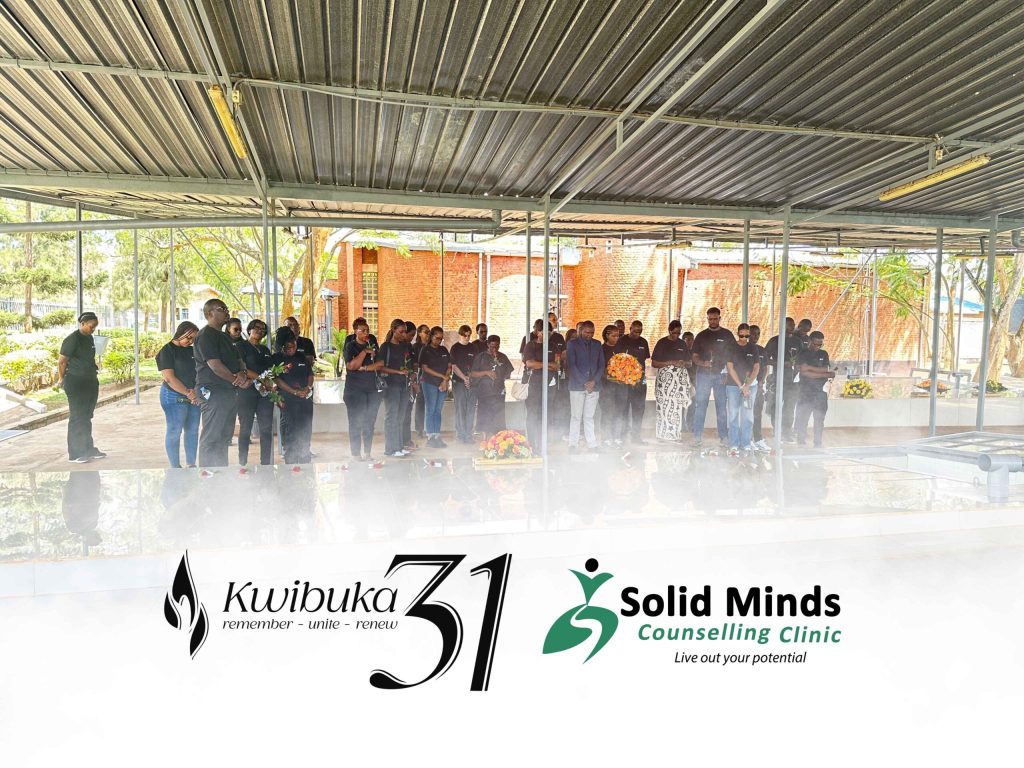
Samuel Munderere Reflects on 31 Years of Remembrance During Solid Minds’ Visit to Nyamata Genocide Memorial

Samuel Munderere Reflects on 31 Years of Remembrance During Solid Minds’ Visit to Nyamata Genocide Memorial It’s an honour to speak with you today about the Genocide against the Tutsi and the work that I do closely with survivors of the 1994 Genocide Against the Tutsi men, women, and children whose lives were forever changed in just 100 days of unimaginable violence. Thirty-one years later, survivors still carry the deep wounds of that trauma. But just as Rwanda has rebuilt itself over the last three decades, so too have survivors had to rebuild not only their lives, but also their sense of dignity, community, and hope. The Early Years – Emergency Support and Survival (1994–2005) In the immediate aftermath of the genocide, the needs of survivors were urgent and overwhelming: In these years, our work centered on emergency response offering trauma care, housing, and basic services in whatever form was possible. Rebuilding Lives – Recovery and Integration (2006–2016) As the country began to stabilize, the focus shifted toward long-term recovery and reintegration. Mental health care became increasingly vital as trauma, depression, and PTSD surfaced more visibly. Economic empowerment was critical for dignity and sustainability especially for widows, orphans, and women who had survived sexual violence. Community-building became a healing tool. We began forming community groups, survivor networks, and peer support models to break isolation and foster belonging. These efforts helped survivors move from merely surviving to starting to live again, with agency and renewed purpose. Victims of Sexual Violence and Children Born of the Genocide Among the most brutal and painful aspects of the 1994 Genocide Against the Tutsi was the widespread and systematic use of sexual violence as weapon of war. An estimated 250,000 women and girls were raped, tortured, and enslaved, often in public and horrifying ways. For many, the physical wounds healed over time but the emotional, psychological, and social scars remain deep and enduring. Some of these women became pregnant from rape, and many gave birth to children in the aftermath of the genocide children  often referred to as Children of Bad Memory or Children of the Killers who are now 30 or 31 years old. These children, born of unimaginable violence, are a living legacy of trauma. They represent a unique, group in Rwanda’s recovery story. The Mothers For the mothers, the journey has been filled with pain and silence. Despite this, many of these women demonstrated incredible strength and raised their children with deep care and sacrifice often in isolation and poverty, and with little formal support until recent years. At Survivors Fund and other survivor-focused organizations, we have worked closely with many of these women helping them process their trauma, reconnect with their identity, and rebuild their sense of self-worth through support groups, and economic empowerment. The Children Born of Rape Now adults, many of these children have grown up with complex identities and emotional struggles: Their pain is invisible to many, and yet it runs deep. They are secondary survivors, carrying the inherited trauma of genocide and the weight of a history they did not choose. But many are also resilient, intelligent, and determined to live meaningful lives. With the right support education, mentorship, and community belonging they are breaking cycles of trauma and becoming powerful voices for healing and change in Rwanda. At SURF we have supported 830 such youth attain education. Supporting these mothers and children/youth is not only about justice; it’s about restoring dignity, creating pathways to healing, and ensuring that no one is forgotten Today’s Realities – Aging, Isolation, and a New Generation (2017–Present) Today, 31 years on, the needs of survivors are again evolving. The Ongoing Challenge Even with everything Rwanda has achieved, survivors continue to live with layered vulnerability economic, emotional, and social. Many still feel left behind, especially as the world’s attention moves on. We must ask ourselves at individual level, How do we contribute to ensuring survivors live with dignity? How do we build systems that acknowledge long-term trauma not just in words, but in action? In conclusion, Let’s look at Survivors of the genocide not as victims of the past they are architects of Rwanda’s future. They are teachers, parents, leaders, and role models. Their strength is a testament to the spirit of Rwanda. Let us remember them not just once a year, but every day, through the actions we take and the dignity we uphold.

Samuel Munderere Reflects on 31 Years of Remembrance During Solid Minds’ Visit to Nyamata Genocide Memorial Read More »

Solid Minds, Mastercard Foundation partner to revolutionise mental health support for students in Africa

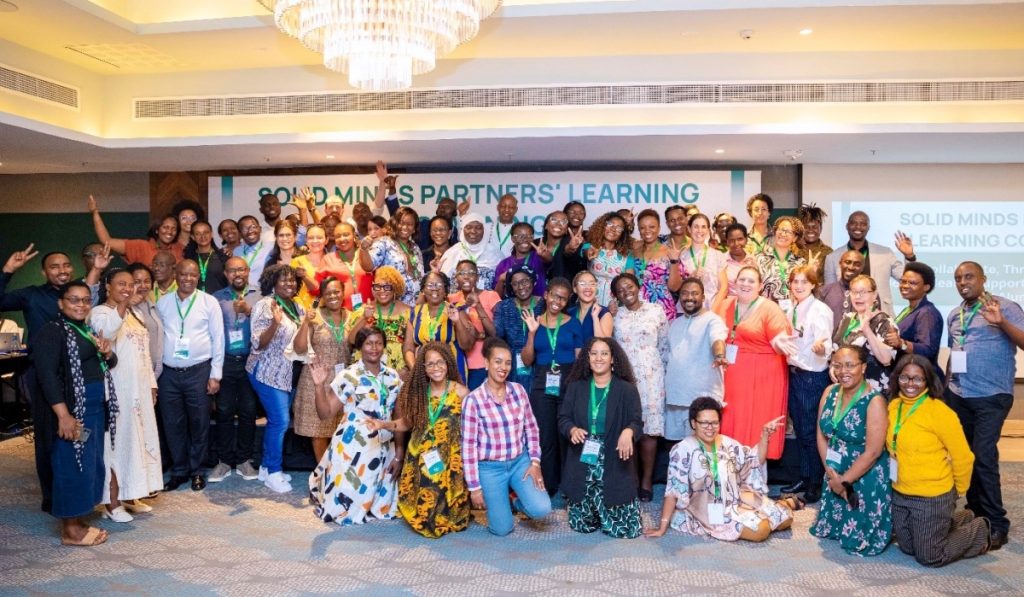
Solid Minds, Mastercard Foundation partner to revolutionise mental health support for students in Africa Tuesday, March 5 — Nearly 100 professionals gathered in Kigali at the Four Points by Sheraton Hotel for a convening discussing solutions to improve the well-being and mental health of African scholars in universities across the continent. The event was organised by Solid Minds, a counselling clinic and independent outpatient centre for mental healthcare, research, and training, based in Kigali, in partnership with the Mastercard Foundation Scholars Program. Research shows that university students studying in Africa and abroad have seen rising rates of mental health concerns due to the significant challenges they face. Prevalence of distress can be as high as 53% among students, according to a South African study. To address this, Solid Minds has an ongoing project in collaboration with the Mastercard Foundation Scholars Program to work with universities across Africa to elevate the mental health and well-being of students. Last week, Solid Minds had the opportunity to bring together 99 professionals representing more than 17 universities across Africa, two technical Africa-based partners, and four Europe-based universities for a three-day convening under the theme, “Empower, Collaborate, Thrive: Shaping the Future of Mental Health Support for African Scholars and Alumni.” The convening was officially opened by the Minister of State in Rwanda’s Ministry of Youth and Arts, Sandrine Umutoni. She thanked Solid Minds and the Mastercard Foundation for organising and supporting mental health initiatives in Africa and beyond. “It is through initiatives like this one that policymakers, mental health experts, members of the academia, and students, get to examine further what should be prioritised to achieve the holistic well-being of our students, our institutions, and ultimately, our societies at large,” the minister said. Sandrine Umutoni, Minister of State in the Ministry of Youth and Arts, speaks during the event. Esther Niwemwiza, a mining and geology student at the University of Rwanda, described the prevalence and effect of stress on students stating, “Many of us have normalised being stressed over different things, which sometimes lead to dropouts of scholars.” Increased rates of poor mental health are related to the unique challenges that these students face. Most Mastercard Foundation scholars study in international contexts and are often required to adjust to new cultures, on and off campus — on top of the pressures of studying. This can lead to feelings of isolation and homesickness, and students can also experience issues of housing, healthcare access, visas, and discrimination. Such transitions can exacerbate academic stressors and lead to mental health struggles. It is against this backdrop that representatives from universities and partners, SolidMinds, the Mastercard Foundation Scholars Program, students, and alumni convened to identify effective sustainable solutions towards the mental well-being of students studying in African universities. Welcoming partners to the convening, the co-founder and CEO of Solid Minds, Sam Munderere, thanked all of them for accepting the invitation to gather in Rwanda to discuss challenges surrounding mental health, especially within academic institutions and settings. He also expressed gratitude to the Mastercard Foundation for funding and supporting the work being done to address mental health issues in the academic community. He emphasised that one of the primary challenges faced is the stigma surrounding mental health in many African societies. That’s why Solid Minds is dedicated to fostering an environment where mental health is prioritised. Through key panel discussions and small group sessions, participants shared experiences on supporting online learners, students living abroad, students who are refugees and displaced people, and students with disabilities, as well as the alumni experience. Sessions also focused on support fornon-clinical staff and best practices in student support, as well as setting up wellness centres and how to improve access and use of these resources. In keeping with the theme of adopting an Afrocentric perspective in these interventions, Anele Siswana, a spiritual healer and clinical psychologist, presented his work on the decolonisation of psychology. Dr Chaste Uwihoreye and. Faith Cheonga, researchers at the University of Rwanda, presented findings on the importance of collaborating and co-designing interventions and services with the students. This is to ensure accessibility, respect for cultural sensitivities, and relevance. In addition to this, discussions focused on ensuring the well-being of academic practitioners and staff in these universities. The conference’s primary achievement was the cultivation of a productive space for the exchange of knowledge and the expansion of professional networks for academia that support the Mastercard Foundation Scholars. Sepiso Mwamelo, AfOx Scholarship Programme Manager at University of Oxford, explained, “Attending the convening was an important opportunity to pause and think about how to deliberately incorporate students’ wellbeing as a core aspect of scholarship programme design. I’ve been inspired by the work of other institutions, and have identified interventions that could potentially work in our context. Clinical practitioner, Dr Salim Wangabi from Ashesi University in Ghana, echoed this sentiment, stating that the convening offered a unique opportunity to exchange experiences and learning between practitioners and collaborate in the development of interventions. Charlie Bevan, Program Director of the Mastercard Foundation Scholars Program at the University of Edinburgh, explained that the value of being “part of a supportive, creative and impact-oriented community cannot be underestimated, and I leave the conference so grateful for the community.” Representing the Ministry of Health at the convening was Dr Darius Gishoma, mental health division manager of the Rwanda Biomedical Centre. In his closing remarks on day three of the convening, Gishoma said, “Although this is the last day of the convening, our partnership has to go beyond today. The discussions and actions needed to improve and support the mental well-being of scholars and alumni in our respective countries have to continue. On behalf of the Ministry of Health and Rwanda Biomedical Centre, I would like to thank Solid Minds and the Mastercard Foundation, and all partners here present, for the organisation of this such an insightful convening.” The Mastercard Foundation Scholars Program works to enable African youth to take a role in the creation of their future and that of the continent. Solid Minds Counselling Clinic,

Solid Minds, Mastercard Foundation partner to revolutionise mental health support for students in Africa Read More »