
Mental Health and Invisible Disabilities. -A Conversation with Justine Mukamwezi.
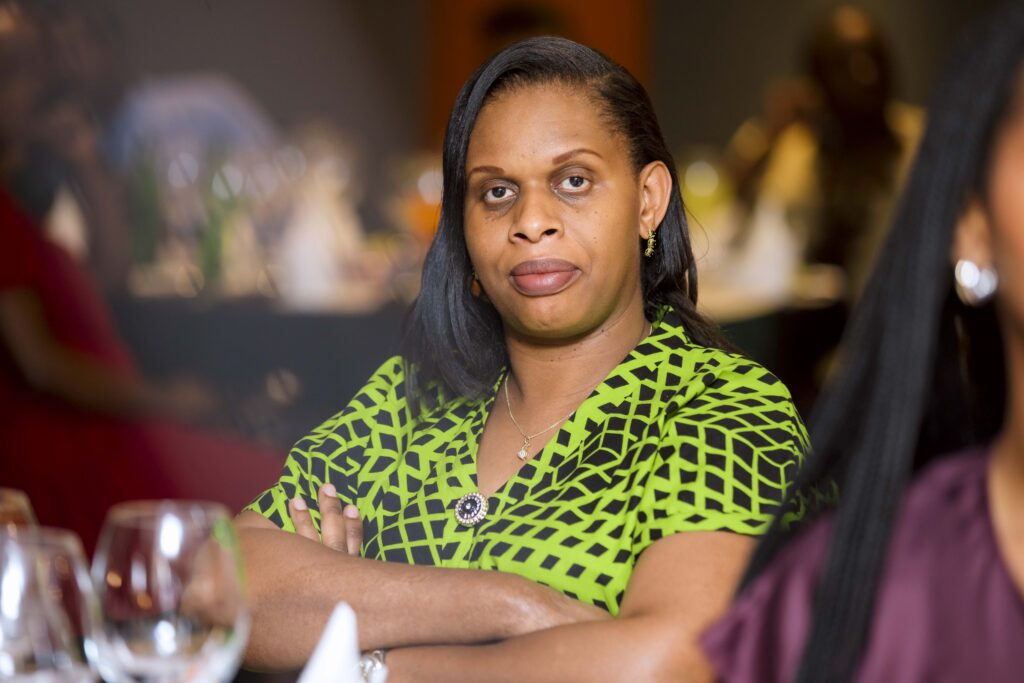
Conversation with Justine Mukamwezi. Clinical Director, Solid Minds Counselling Clinic.
Introduction: Tell us about yourself and why you chose a career in psychology. Tell us about Solid Minds and the work they are doing with young people to support mental health.
I’m a clinical psychologist with over a decade of experience supporting individuals across different life stages, particularly youth and young adults. I was drawn to this field because of a deep desire to walk alongside people through their pain and help them reclaim their potential. Mental health is a critical foundation for thriving, yet it remains one of the most misunderstood and stigmatized aspects of our wellbeing, especially in Rwanda and similar contexts.
2. What are some common misconceptions about mental health conditions and non-visible disabilities in the workplace?
Many people still believe that mental health struggles are signs of weakness or personal failure. One widespread myth is that if someone looks “fine,” they must be fine. Ignoring the reality of invisible conditions like anxiety, PTSD, or chronic depression. Some also assume these challengesare rare or only affect certain types of people, which is untrue. Mental health issues affect people across all professions and backgrounds.
3. How does stigma—both internalized and external—impact individuals experiencing mental health challenges?
Stigma isolates. External stigma can lead to discrimination, exclusion from opportunities, and misunderstanding from peers or supervisors. Internalized stigma is equally harmful; it can prevent individuals from seeking help, cause shame, and lower self-worth. Together, they create a cycle where people suffer in silence rather than getting the support they need.
4. What practical steps can leaders and team members take to create a psychologically safe work environment?
Start by normalizing conversations around mental health. This can be as simple as including mental well-being in team check-ins or making sure HR policies include psychological safety. Leaders should model vulnerability and respect privacy while setting clear expectations for respect, flexibility, and support. Training on mental health awareness is also critical.
5. How can managers foster open communication without overstepping personal boundaries?
Managers should approach conversations with curiosity and compassion, not assumptions. Asking open-ended, non-intrusive questions like “How can I support you today?” signals care without pressure. It’s also important to reinforce that sharing is voluntary, and that confidentiality will be respected.
6. What are some everyday tools or language shifts we can use to better support students and colleagues struggling with mental health challenges?
Language matters. Replace “crazy” or “unstable” with “experiencing stress” or “going through a hard time.” Encourage check-ins like “You’ve seemed a bit off lately, how are you doing?” instead of judgmental remarks. Tools like peer-support groups, mental health first aid training, and access to counseling services are also practical ways to provide support.
7. How can we offer help or accommodations if someone hasn’t disclosed a mental health condition but seems to be struggling?
Focus on behavior, not assumptions. You can say something like, “I noticed you’ve seemed overwhelmed, would you like to talk or take a break?” Offer flexible options without demanding explanations. Respect their privacy while making it clear that support is available.
8. How can we effectively educate staff and scholars about mental health without overwhelming or triggering them?
Use a trauma-informed approach: start small, create optional learning spaces, and provide contentwarnings when discussing heavy topics. Blend education with stories, tools, and hope. Normalize learning about mental health the same way we do physical health, and always leave room for reflection and processing.
9. What role does peer support play in building a more inclusive and understanding environment?
Peer support is powerful. When people see others with lived experience sharing openly, it breaks down stigma and creates safe spaces. Peer networks provide validation, shared language, and practical strategies that professionals alone can’t always offer. I encourage peer-led conversations
as part of our holistic approach.
10. What is one thing every individual in this room can start doing today to reduce stigma and create a more supportive environment?
Practice empathy. Make space for mental health in everyday conversations. If you hear someone dismissing or mocking mental health issues, speak up. And most importantly, be gentle with others, and with yourself. Stigma is reduced not just through policy, but through everyday kindness and courageous conversations.