Relationships & Emotional Well-being

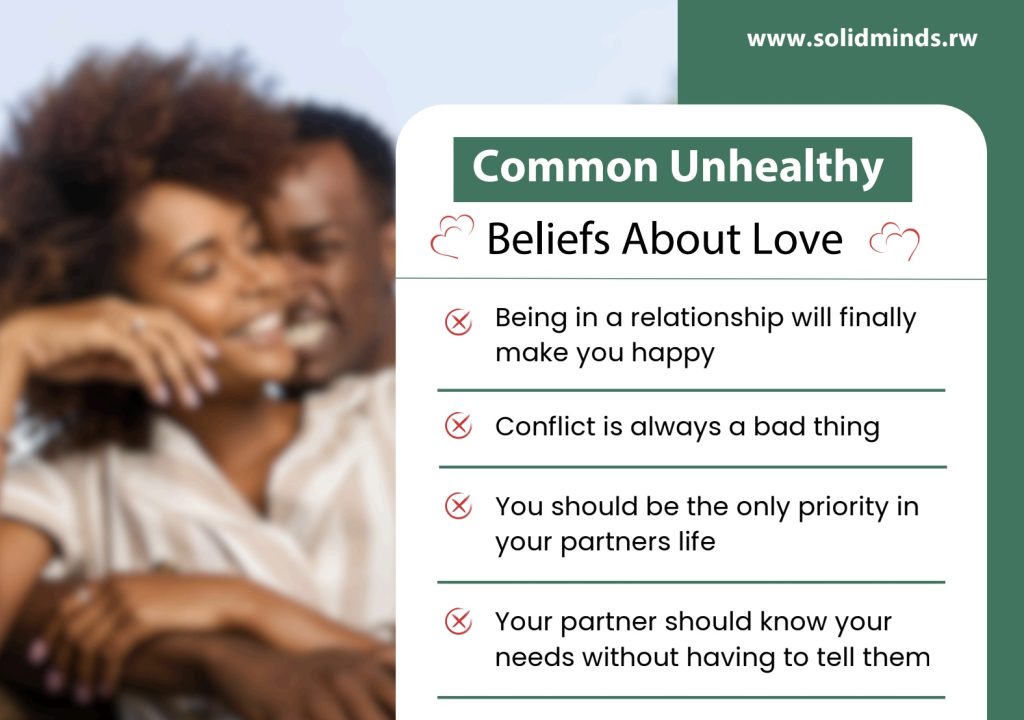
Common Unhealthy Beliefs About Love

Love is one of the most powerful human experiences, but the way we think about it can shape our relationships for better or worse. Movies, music, social media, and even cultural traditions often paint love in ways that are unrealistic or misleading. These unhealthy beliefs—such as the idea that “true love should be effortless” or that “your partner should complete you”—can create unrealistic expectations, lead to disappointment, and even damage healthy connections. Understanding and challenging these misconceptions is essential for building relationships based on respect, communication, and mutual growth. By replacing unhealthy beliefs with healthier, more balanced perspectives, we can experience love in a way that is both fulfilling and sustainable.

Common Unhealthy Beliefs About Love Read More »
Relationship Wellness Resource Poster

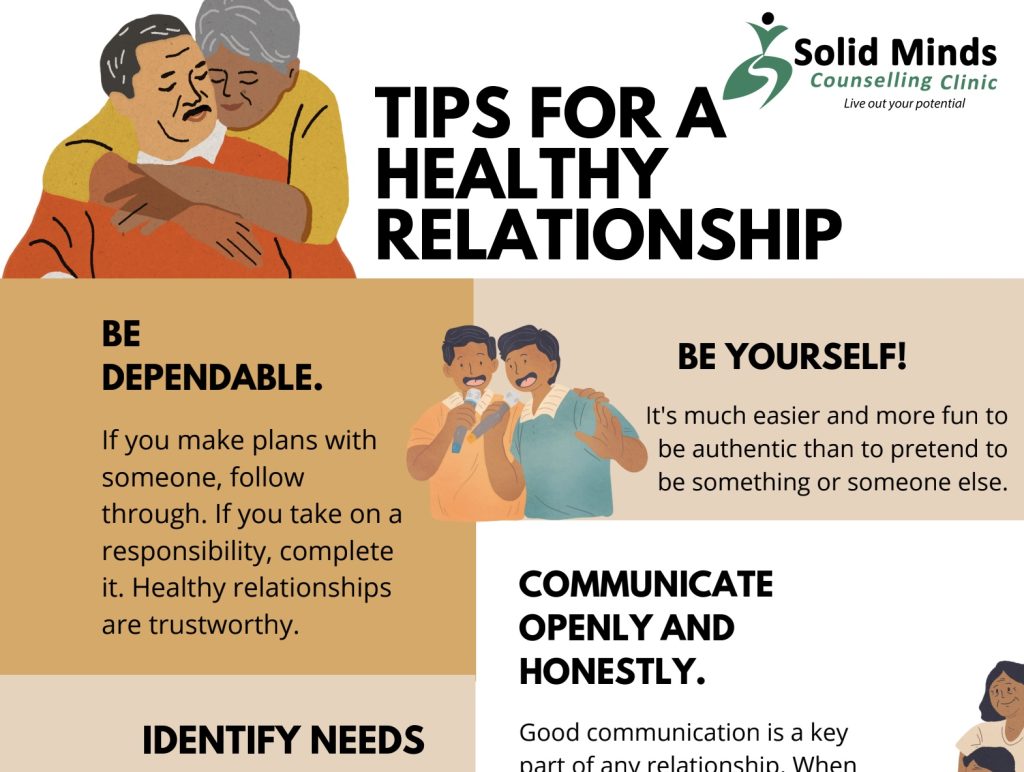
Healthy relationships—whether romantic, family, or friendships—don’t just happen; they are built and maintained through intentional effort, understanding, and care. A Relationship Wellness Resource Poster is a quick-reference tool designed to promote positive communication, emotional safety, and mutual respect. It serves as a visual reminder of the habits, boundaries, and resources that help relationships thrive. By highlighting key principles, practical tips, and available support options, such a poster can encourage individuals and couples to actively nurture their connections. Whether displayed in a counseling office, community center, school, or workplace, it can inspire healthier interactions and remind people that strong relationships are possible when both sides are committed to growth and respect.

Relationship Wellness Resource Poster Read More »

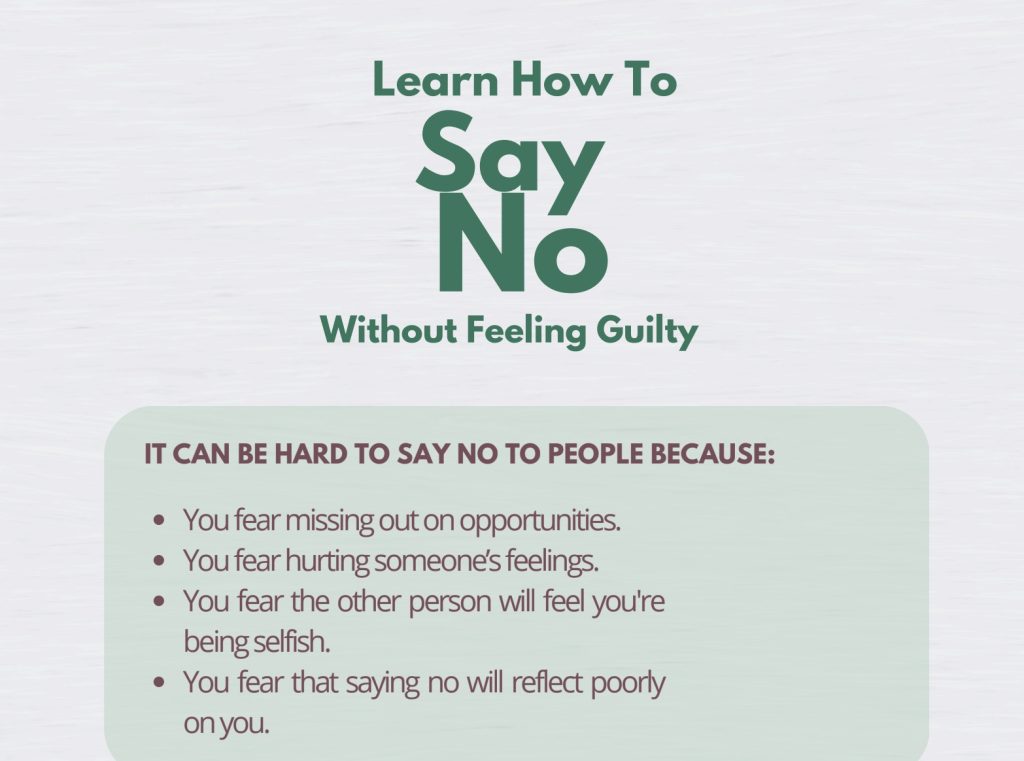
How to say no

Saying “no” can feel uncomfortable, especially if you worry about disappointing others, damaging relationships, or seeming unkind. Yet, the ability to set healthy boundaries is an essential skill for protecting your time, energy, and well-being. When you say “yes” to every request, you risk overcommitting, feeling resentful, and neglecting your own needs. Learning how to say no effectively isn’t about being rude or selfish—it’s about being clear, respectful, and confident in your priorities. With the right approach, you can decline requests while still maintaining positive relationships and honoring your personal limits.

How to say no Read More »